
Raksha Bandhan is being celebrated as a special occasion dedicated to the affection, trust and enduring bond shared between brothers and sisters. The festival brings siblings together as sisters tie rakhi on their brothers’ wrists and pray for their happiness and bright future.
The simple ritual of tying a rakhi carries deep emotional meaning. The thread represents the close relationship between siblings and serves as a reminder of the affection and support they share with each other.
Raksha Bandhan Strengthens the Brother-Sister Bond
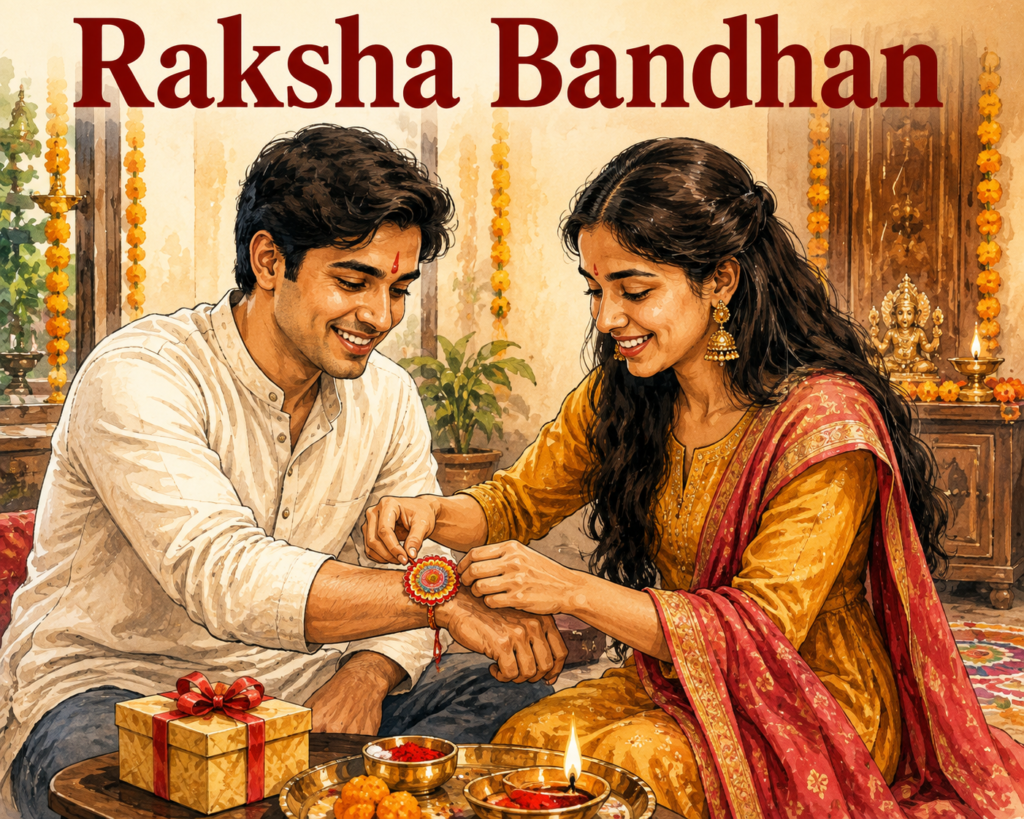
On Raksha Bandhan, sisters traditionally tie rakhi around their brothers’ wrists as a gesture of love and affection. The moment reflects the importance of the brother-sister relationship and the emotional connection that continues through different stages of life.
The occasion is also marked by prayers for the brother’s well-being and a prosperous future. In return, brothers reaffirm their commitment to stand by and support their sisters.
Beyond the ceremony itself, the festival provides an opportunity for families to come together and celebrate their relationships. For many siblings, the day becomes a meaningful occasion to express feelings that may not always be spoken in everyday life.
A Festival Rooted in Affection and Trust
Raksha Bandhan is not limited to the exchange of a rakhi. At its heart is the sentiment of mutual care, affection and companionship between siblings.
The rakhi tied around a brother’s wrist symbolises the emotional connection between a brother and sister. The accompanying prayers and promises further highlight the values of trust and support that give the relationship its strength.
The festival also reflects how traditional celebrations can preserve family relationships and create moments of togetherness. A small ritual can carry a much larger message about the importance of standing beside loved ones.
Raksha Bandhan Brings Families Together
For siblings, Raksha Bandhan offers a chance to celebrate their relationship and spend meaningful time together. The festival’s emotional significance comes from the memories, affection and shared experiences that brothers and sisters carry throughout their lives.
As sisters tie rakhi and offer their prayers, brothers respond with a promise of continued care and support. This exchange makes the occasion more than a traditional ceremony—it becomes a reaffirmation of the bond between siblings.
The celebration also highlights the enduring nature of family relationships. While circumstances and responsibilities may change over time, occasions such as Raksha Bandhan provide an opportunity to reconnect and strengthen those bonds.
The Meaning Behind the Rakhi
The rakhi is a simple thread, but its significance extends beyond its physical appearance. It represents the affection between siblings and the emotional promise associated with their relationship.
For sisters, tying the rakhi is accompanied by wishes for their brothers’ well-being and future. For brothers, the occasion is a reminder of their responsibility to remain supportive and caring toward their sisters.
The sentiment surrounding the festival ultimately centres on love, trust and companionship. These values continue to make Raksha Bandhan a meaningful celebration for families.
As Raksha Bandhan is observed, the festival once again puts the spotlight on the enduring bond between brothers and sisters—a relationship strengthened by affection, trust, shared memories and a commitment to support one another.